 Business License

ITO Sputtering Target Guide: Specs, Ratios, Supplier Selection
An ITO sputtering target is the ceramic source used to deposit transparent conductive oxide films by magnetron sputtering. It is indium oxide doped with a few percent of tin oxide. ITO remains the reference material for displays, touch panels, HJT and thin film solar cells, Low-E glass and optical coatings. Most film defects blamed on process drift actually begin in the target. The usual causes are inconsistent density, uncontrolled oxygen vacancies and a weak bond to the backing plate.
Three points decide most of the outcome
Tin content sets the application. Density, grain structure and bonding predict performance better than nominal purity. Rotary targets use material more efficiently than planar ones but need a rotatable magnetron.
What 90:10, 95:5 and 97:3 mean
The ratio is the weight proportion of indium oxide to tin oxide. Tin supplies free electrons. More tin means lower resistivity but slightly stronger near infrared absorption and a narrower process window.
Grade 90:10 is mainstream for TFT LCD, touch panels and Low-E glass. It has a mature process window. Grade 95:5 suits optical coatings and fine pattern touch sensors. It offers better transmittance and is more sensitive to tuning. Grade 97:3 is used in heterojunction solar cells where parasitic absorption must stay low.
Changing the ratio is not a drop in switch. It shifts the oxygen window, so the recipe usually needs retuning.
Which specifications matter most
Relative density comes first. Low density means pores, nodules and particles. Grain size and uniformity come next, because fine even grains give steadier erosion. Oxygen stoichiometry governs how repeatable film resistivity is from batch to batch. Bonding quality decides whether the target survives high power. Voids cause hot spots, arcing and cracking, so ask for a C scan void map. Traceability closes the loop. Each batch should link to a powder lot, a sintering run and a bonding record.
Planar or rotary
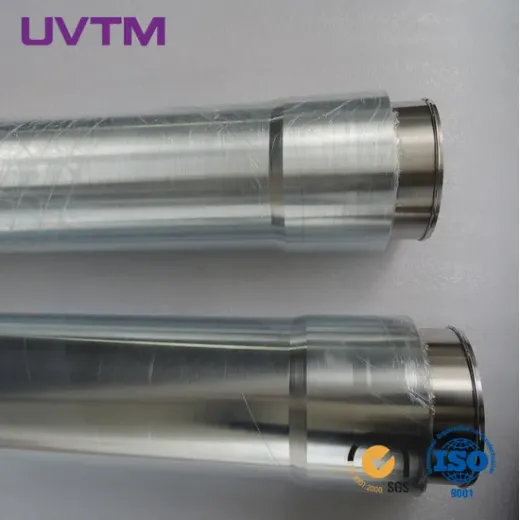
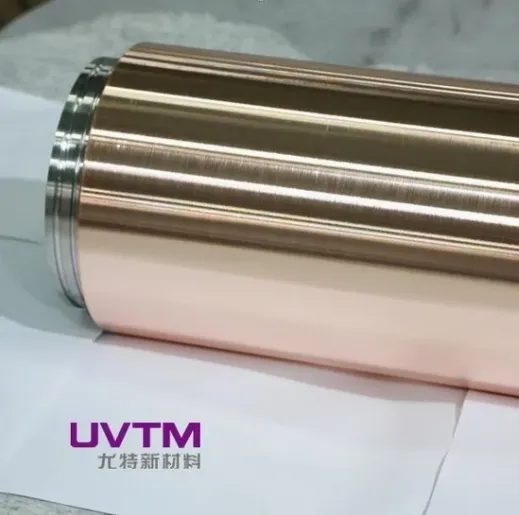
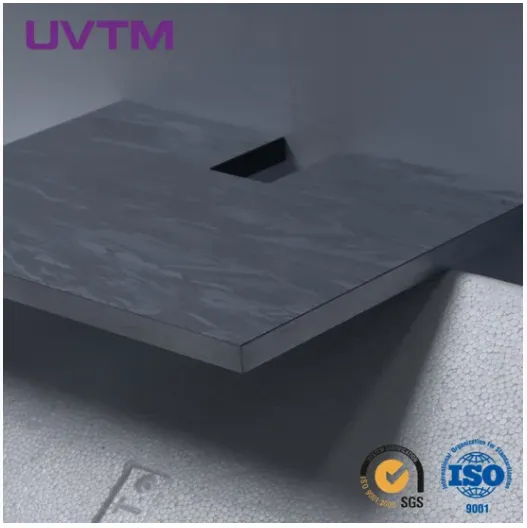
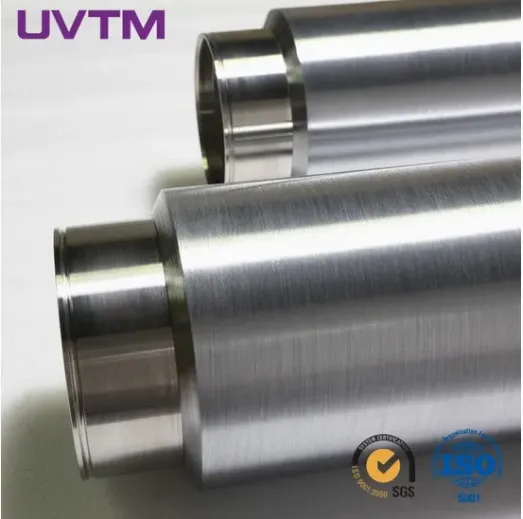
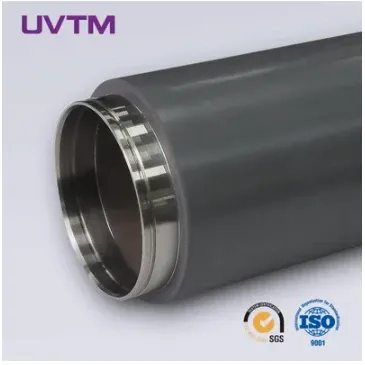
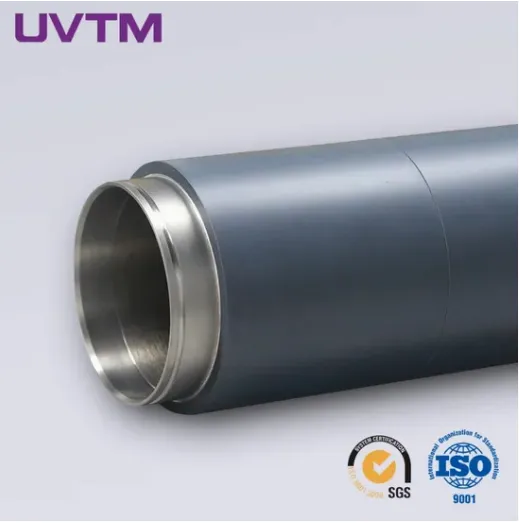
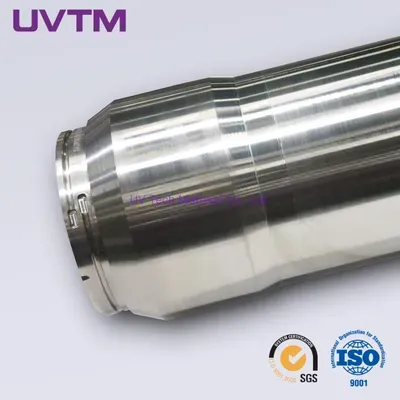
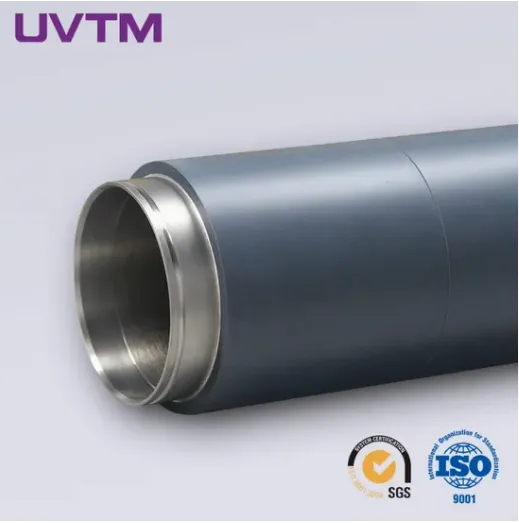
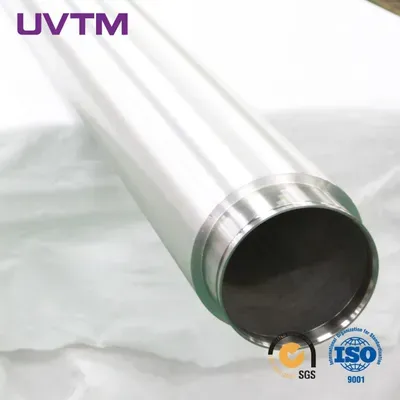
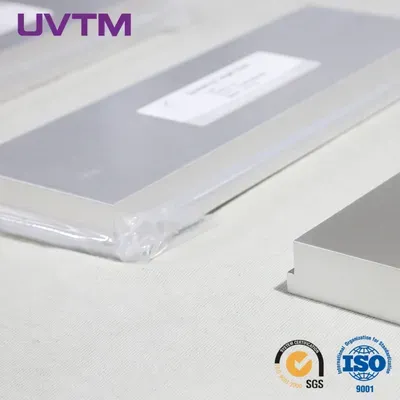
Planar targets suit pilot lines and existing planar magnetrons. Only 30 to 40 percent of the material is usable. Rotary targets reach roughly 70 to 80 percent utilisation with longer campaigns between changes. They need heavier handling. Compare cost per square meter deposited rather than price per kilogram.
How to qualify a supplier
Look for powder treatment, forming, sintering, machining and bonding under one roof. Ask about ceramic sintering experience. A metal melting shop cannot control oxygen partial pressure or grain growth. Confirm bonding is done in house. Ask for film data from an actual coating line. Check references in your own application rather than a generic client list.
UV Tech Material LTD, also known as UVTM, is a China based PVD target manufacturer established in 2003. It produces ITO targets in house in 90:10, 95:5 and 97:3 ratios and custom compositions, in planar and rotary designs. Its functional oxide range also covers AZO, ZTO, IGZO and ICO targets. Current listings are on the platform ITO target sourcing page.
Recently Posted
-
AZO Sputtering Target Manufacturer in China for Transparent Conductive Films
October 27, 2026Aluminum-doped zinc oxide (AZO) is one of the core functional oxide targets for transparent conductive oxide (TCO) thin films, and Read More
-
99.999% Si Sputtering Target with Copper Backing — Stable Deposition for AR Film and Low-E Glass
October 22, 2026High-Purity Silicon, Engineered for Stable Thin-Film DepositionSilicon sputtering targets are the source material behind some of t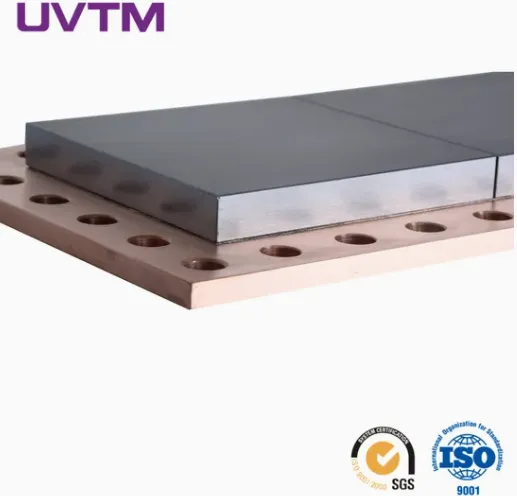 Read More
-
Rotatable CuZn Sputtering Targets for Pure Copper Film Deposition
October 22, 2026Wherever a pure copper film is needed, copper-zinc alloy targets are the material of choice. Copper delivers high electrical condu Read More
-
Zn‑Sn Sputtering Targets for Energy‑Saving & Smart Glass Industry
October 19, 2026Zn‑Sn alloy sputtering targets are key raw materials for magnetron sputtering coating, widely used in the manufacturing of energy‑ Read More

Contact Us
Recommended Products
-
 Rotatable AG Target High Quality Sputtering TargetNegotiableMOQ: 1 Piece
-
Rotatable AZO Target High Quality Sputtering TargetNegotiableMOQ: 1 Piece
-
Manganese Cobalt Alloy Target, High Purity Manganese Cobalt Alloy Target for PVD Coating, Manganese Cobalt Sputtering TargetNegotiableMOQ: 1 Piece
-
Rotatable Tial Alloy Target, Magnetron Sputtering Target, Titanium Aluminum Alloy Tial Sputtering Target for Decoration CoatingNegotiableMOQ: 1 Piece
-
Chromium Target, Rotary Cr Target High Purity Chrome Tube, Chromium Tube Target for Vacuum DepositionNegotiableMOQ: 1 Piece
-
Rotary Nb2o5 TargetNegotiableMOQ: 1 Piece
-
Indium Oxide Trioxide In2o3 Powder 99.99%, High Purity Indium Trioxide Powder, In2o3 Indium Oxide Powder PriceNegotiableMOQ: 50 Kilograms
-
Nb Niobium Target for Thin Film Solar Industry Low-Emissivity Glass IndustryNegotiableMOQ: 1 Piece
-
99.99% High Purity Alsi Rotatable Alloy Target Aluminum Silicon Sputtering TargetNegotiableMOQ: 1 Piece
-
5n Indium Bonding Si Target With Cooper Backing PlateNegotiableMOQ: 1 Piece
-
Heterojunction ITO Target, High Purity ITO Sputtering Target for Heterojunction, 97: 3 Hjt ITO TargetNegotiableMOQ: 1 Piece
-
PVD Coating Ti Sputtering TargetNegotiableMOQ: 1 Piece
-
90: 10 Rotatable ITO Target High Purity Sputtering TargetNegotiableMOQ: 1 Piece
-
Rotary Indium Target in Sputtering TargetNegotiableMOQ: 1 Piece
-
99.99% High Purity Metal AG Silver Sputtering Target With Good Price, Planar AG Silver TargetNegotiableMOQ: 1 Piece
-
Rotatable Znal Alloy Target, Magnetron Sputtering TargetNegotiableMOQ: 1 Piece
-
Rotary Cu Target for Glass Vacuum PVD Coating Material.NegotiableMOQ: 1 Piece
-
Poly Mono Bonding Silicon Si Target Sputtering Target 5n 6n With Competitive PriceNegotiableMOQ: 1 Piece
-
High Quality Nickel Iron Alloy Target, Plasma Sputtering Target, Nifemo Alloy TagetNegotiableMOQ: 1 Piece
-
Blanco De Cromo PARA Revestimientos PVDNegotiableMOQ: 1 Piece