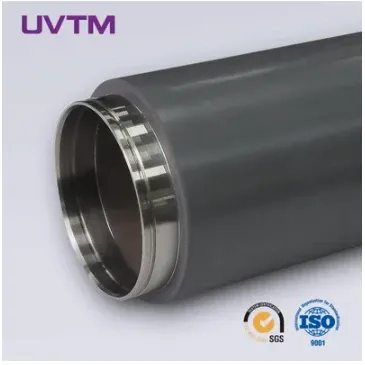
 Business License

Battery Coating Targets for Energy Storage and EV Battery Applications
Battery coating targets support thin-film deposition for composite current collectors, solid-state battery interfaces and other energy storage applications. UVTM supplies metal, alloy and ceramic targets, together with lithium-based evaporation materials and target bonding services for customized coating requirements.
Battery Coating Materials and Applications
Battery coating processes require different target materials depending on the function of each deposited layer. Adhesion, electrical conductivity, interface modification and insulation all involve different material systems and process conditions.
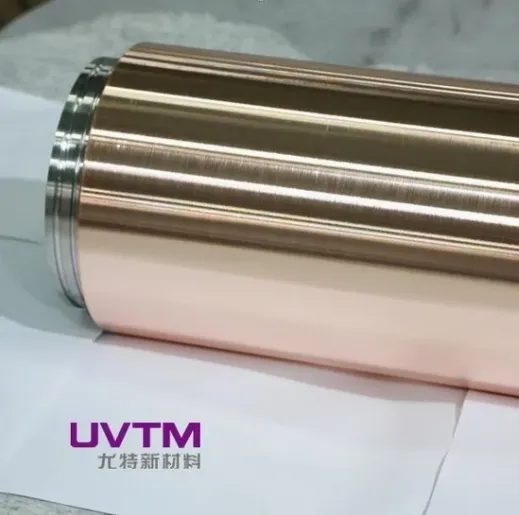
For composite current collectors, titanium and nickel-chromium (NiCr) targets can be used for adhesion layers, while copper and aluminum targets are suitable for conductive seed layers on composite copper or aluminum foils. Target selection depends on substrate properties, coating design and the required electrical performance.
For solid-state battery research and thin-film applications, lithium phosphate (Li₃PO₄) and lithium niobate (LiNbO₃) are relevant ceramic target materials. Li₃PO₄ can be used as a sputtering source for lithium phosphorus oxynitride (LiPON) films through reactive sputtering in a nitrogen-containing atmosphere. LiNbO₃ is used in selected interfacial coating and modification applications.
Other oxide materials, including silicon oxide and titanium oxide, can be considered for functional or insulating coatings according to the specific battery design.
Lithium metal is also relevant to anode pre-lithiation and thin-film battery research. Unlike ceramic sputtering targets, lithium is handled as a specialized vacuum evaporation material, with storage, packaging and handling requirements considered separately.
Target Customization and Bonding Services
UV Tech Material LTD. (UVTM) is based in Huadu District, Guangzhou, China. Its battery-related material range includes metal and alloy targets, oxide and ceramic targets, and selected high-purity evaporation materials.
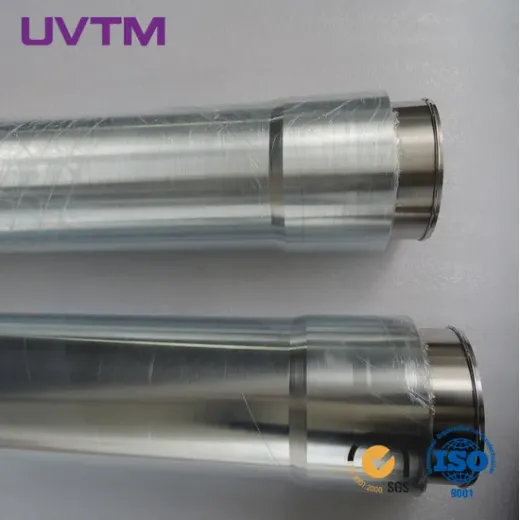
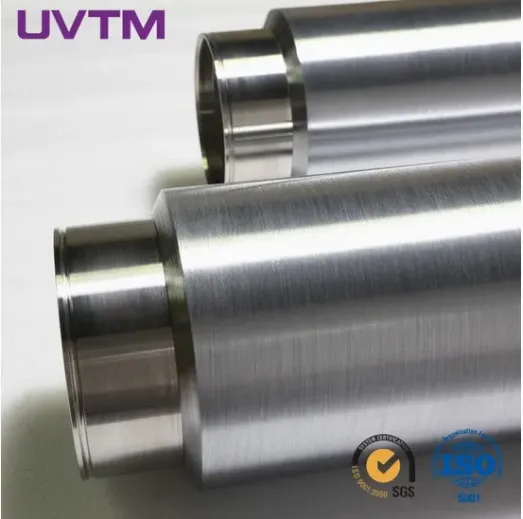
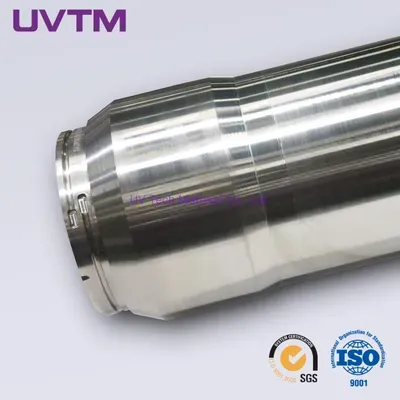
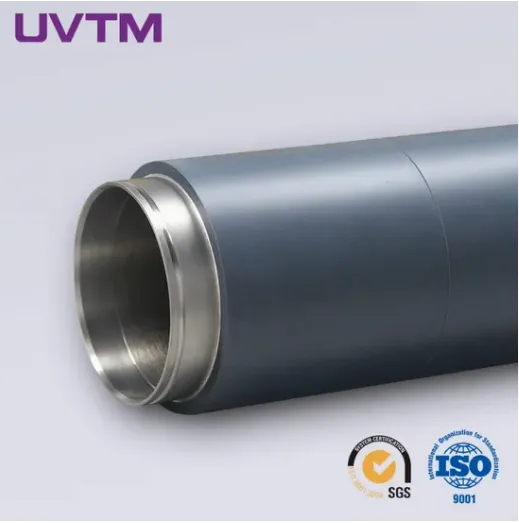
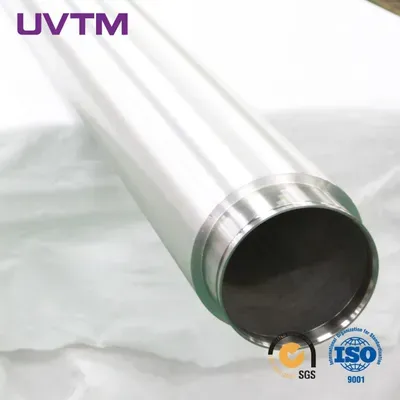
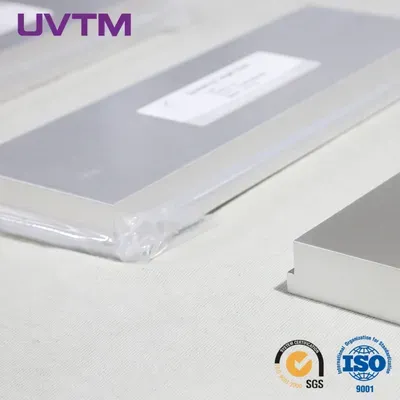
Customization can be evaluated according to target dimensions, material composition, purity requirements and equipment interfaces. Planar targets can be machined to drawings, while rotary target assemblies require confirmation of backing tube dimensions, wall thickness and end connections.
Supporting services include backing plate bonding and backing tube bonding. ITO target bonding is also available as part of the company's target processing services.
Manufacturing and forming routes depend on the material system and product specifications. Special materials and non-standard structures require technical evaluation before production.
Quality Control and Acceptance
For battery coating targets, purchasing specifications should cover material composition, impurity limits, dimensions and bonding quality.
Metal targets can be specified by purity grade and individual impurity limits. Ceramic and oxide targets require additional consideration of chemical composition, density, porosity and other material-specific properties.
Dimensional inspection should follow approved drawings, while bonding inspection methods and acceptance criteria should be agreed upon according to the target structure and inspection feasibility. Batch identification and material traceability should also be included in the delivery documentation.
About UVTM
UVTM (UV Tech Material LTD.) supplies sputtering targets, ceramic targets, high-purity evaporation materials and target bonding services. Its material solutions cover energy storage, power batteries, semiconductors, displays and optical coating applications.
For battery coating target inquiries, buyers can provide the target drawing, material composition, required quantity, equipment interface and bonding specifications. This information helps determine material suitability, customization feasibility and quotation requirements
Recently Posted
-
Niobium Oxide (Nb₂O₅) Sputtering Targets: Material Properties and Applications in Optical Coatings
November 19, 2026Low-emissivity (Low-E) architectural glass typically uses a multilayer coating structure. Silver provides the primary infrared ref Read More
-
High-Purity Silver Sputtering Target (Ag Target) for PVD Coating — Planar & Rotatable, Custom Sizes
November 17, 2026Silver (Ag) has low resistivity — approximately 1.59 μΩ·cm at around 20 °C — and good infrared reflectance. It is used in Low-E gl Read More
-
Niobium vs. Niobium Pentoxide Targets: Where the Metal Route and the Ceramic Route Split
November 14, 2026Niobium (Nb) targets and niobium pentoxide (Nb2O5) targets land on the same RFQ often enough that buyers start treating them as on Read More
-
How to Choose a Flat Panel Display Sputtering Target Supplier
November 9, 20261. Check Material CapabilitiesDisplay manufacturing uses transparent conductive oxides (TCOs), oxide semiconductors and metal or a Read More

Contact Us
Recommended Products
-
 Rotatable AG Target High Quality Sputtering TargetNegotiableMOQ: 1 Piece
-
Rotatable AZO Target High Quality Sputtering TargetNegotiableMOQ: 1 Piece
-
Manganese Cobalt Alloy Target, High Purity Manganese Cobalt Alloy Target for PVD Coating, Manganese Cobalt Sputtering TargetNegotiableMOQ: 1 Piece
-
Rotatable Tial Alloy Target, Magnetron Sputtering Target, Titanium Aluminum Alloy Tial Sputtering Target for Decoration CoatingNegotiableMOQ: 1 Piece
-
Chromium Target, Rotary Cr Target High Purity Chrome Tube, Chromium Tube Target for Vacuum DepositionNegotiableMOQ: 1 Piece
-
Rotary Nb2o5 TargetNegotiableMOQ: 1 Piece
-
Indium Oxide Trioxide In2o3 Powder 99.99%, High Purity Indium Trioxide Powder, In2o3 Indium Oxide Powder PriceNegotiableMOQ: 50 Kilograms
-
Nb Niobium Target for Thin Film Solar Industry Low-Emissivity Glass IndustryNegotiableMOQ: 1 Piece
-
99.99% High Purity Alsi Rotatable Alloy Target Aluminum Silicon Sputtering TargetNegotiableMOQ: 1 Piece
-
5n Indium Bonding Si Target With Cooper Backing PlateNegotiableMOQ: 1 Piece
-
Heterojunction ITO Target, High Purity ITO Sputtering Target for Heterojunction, 97: 3 Hjt ITO TargetNegotiableMOQ: 1 Piece
-
PVD Coating Ti Sputtering TargetNegotiableMOQ: 1 Piece
-
90: 10 Rotatable ITO Target High Purity Sputtering TargetNegotiableMOQ: 1 Piece
-
Rotary Indium Target in Sputtering TargetNegotiableMOQ: 1 Piece
-
99.99% High Purity Metal AG Silver Sputtering Target With Good Price, Planar AG Silver TargetNegotiableMOQ: 1 Piece
-
Rotatable Znal Alloy Target, Magnetron Sputtering TargetNegotiableMOQ: 1 Piece
-
Rotary Cu Target for Glass Vacuum PVD Coating Material.NegotiableMOQ: 1 Piece
-
Poly Mono Bonding Silicon Si Target Sputtering Target 5n 6n With Competitive PriceNegotiableMOQ: 1 Piece
-
High Quality Nickel Iron Alloy Target, Plasma Sputtering Target, Nifemo Alloy TagetNegotiableMOQ: 1 Piece
-
Blanco De Cromo PARA Revestimientos PVDNegotiableMOQ: 1 Piece