 Business License

Niobium vs. Niobium Pentoxide Targets: Where the Metal Route and the Ceramic Route Split
Niobium (Nb) targets and niobium pentoxide (Nb2O5) targets land on the same RFQ often enough that buyers start treating them as one category. They are not. Both contain niobium, but they differ in composition, forming route and what they can put on a substrate. Pick the wrong one and neither the refractive index nor the adhesion can be recovered downstream.
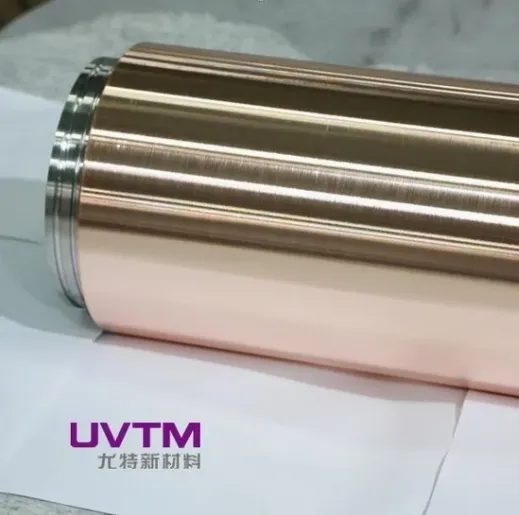
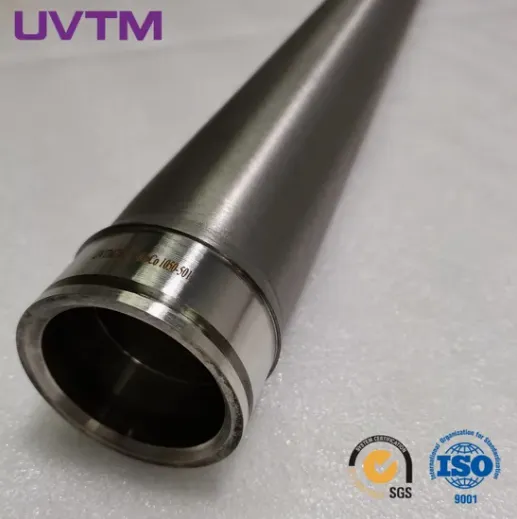
Niobium metal is a refractory metal with a high melting point and good corrosion resistance. It suits metallic sputtering and reactive magnetron sputtering alike: with nitrogen or oxygen in the chamber, the film composition follows the gas chemistry and deposition conditions, so one target can cover both metallic and compound films. The control point on this route is atmosphere stability, not purity alone.
Nb2O5 is a ceramic oxide and does a different job. Its value is refractive index. In an optical multilayer stack, high- and low-index layers alternate and interface interference suppresses reflection or isolates a band; AR coatings and optical filters are its two most common destinations. Metal niobium cannot deliver that index, and Nb2O5 cannot deliver a metallic film.
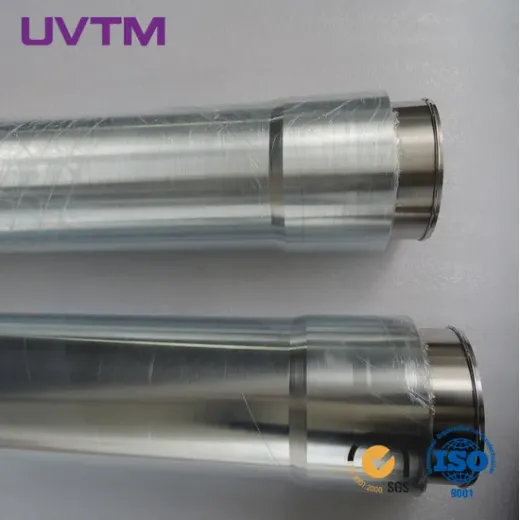
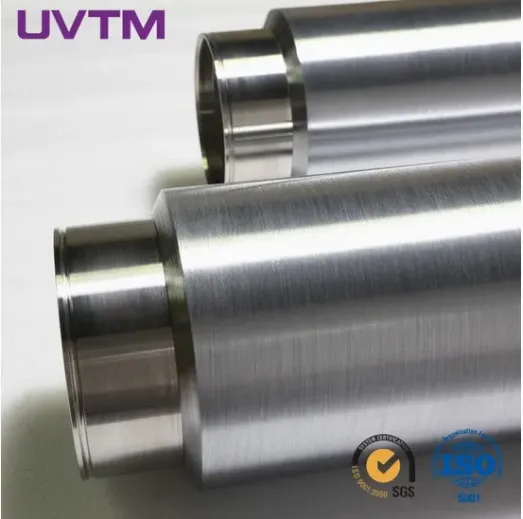
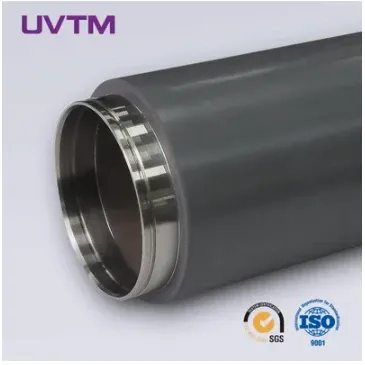
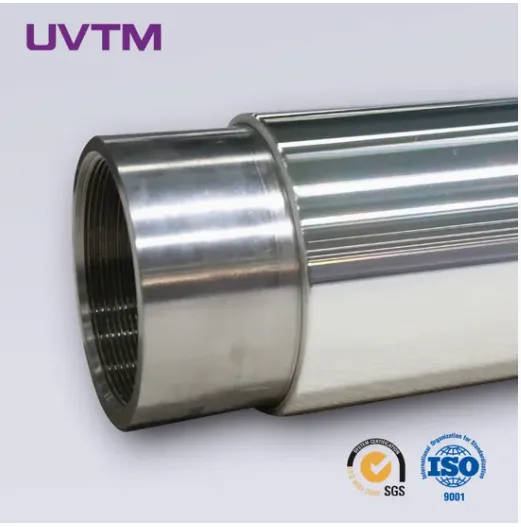
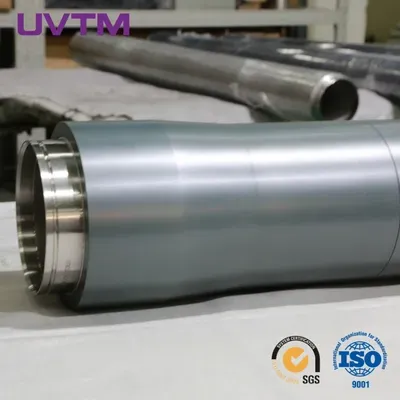
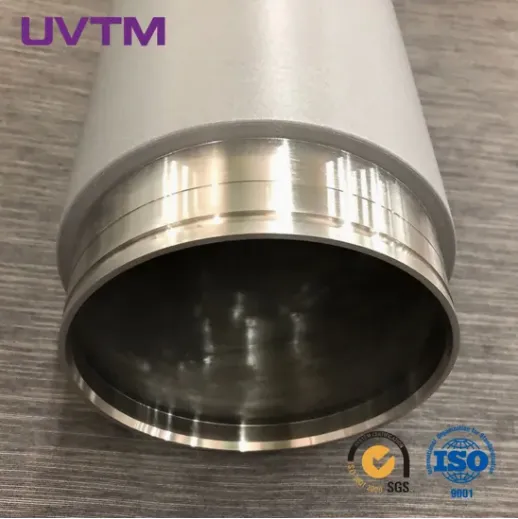
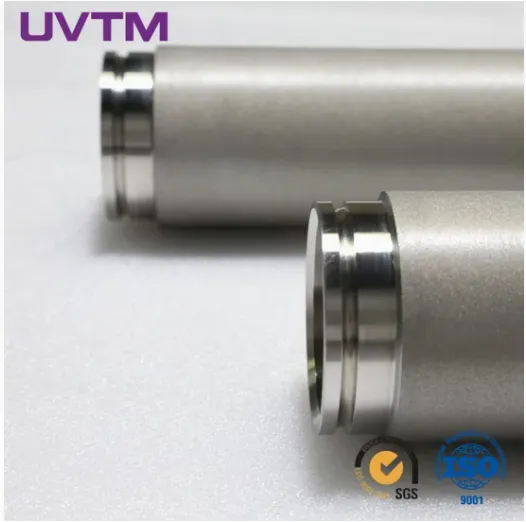
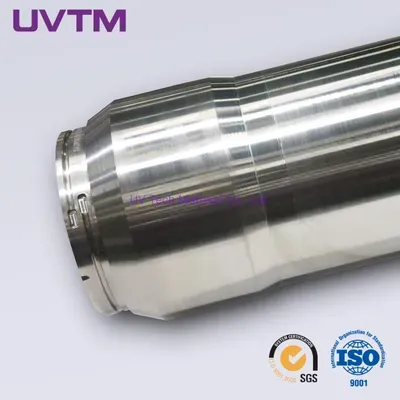
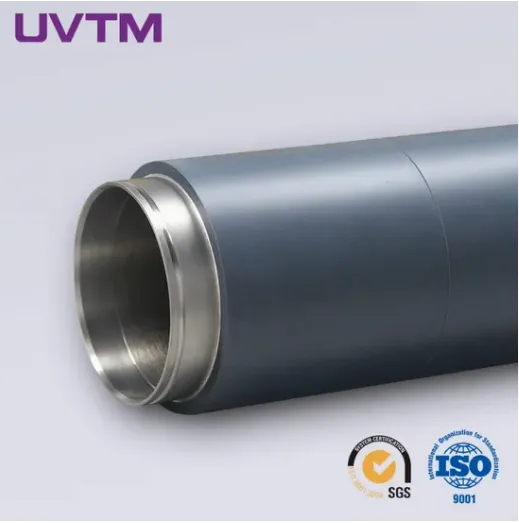
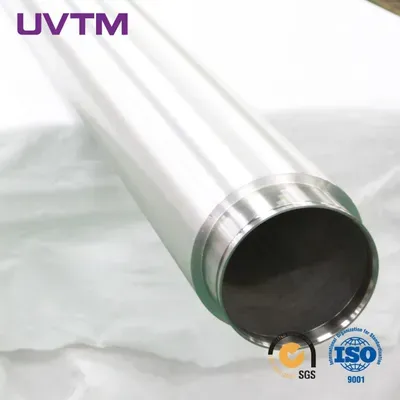
Forming splits the same way. For rotatable Nb2O5, thermal spray forming deposits the ceramic onto a metal backing tube before machining to equipment dimensions. Niobium metal targets follow the metal route, machined rather than sprayed.
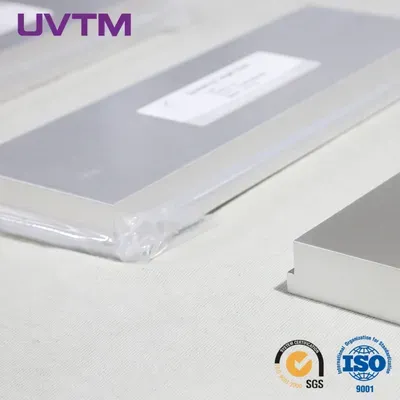
Configuration is a production question. Continuous lines and large-area coating care about target utilization and the erosion race track, where a rotatable sputtering target wins; R&D lines, small batches and odd-shaped substrates care about changeover and fixturing, where a planar sputtering target is easier. Both are available - the line rhythm should decide, not the price sheet.
Custom dimensions are evaluated against drawings and equipment requirements, including backing tube interface, cooling circuit, end fittings and bonding method. Raise them early: once dimensions are frozen, redrawing costs lead time.
Four items belong in the inquiry stage: how purity is defined (total or element-by-element impurity), density, grain size and bond integrity. Two targets both marked 99.95% are not interchangeable if these differ. Ask for the datasheet, inspection report and drawing confirmation before the PO - cheaper than a dispute afterwards.
Applications include precision optical coatings, display-related functional layers, architectural and energy-saving glass coatings, optical filters and multilayer thin films. Where one material behaves differently on two lines, deposition conditions usually explain it better than the material.
UV Tech Material LTD. (UVTM) supplies metal, alloy and ceramic sputtering targets as planar targets, rotatable targets and custom configurations, covering Niobium Metal Target and Niobium Oxide Target grades among other optical coating materials. Datasheets, specifications, custom dimensions and quotations, feel free to contract us.
Recently Posted
-
Niobium Oxide (Nb₂O₅) Sputtering Targets: Material Properties and Applications in Optical Coatings
November 19, 2026Low-emissivity (Low-E) architectural glass typically uses a multilayer coating structure. Silver provides the primary infrared ref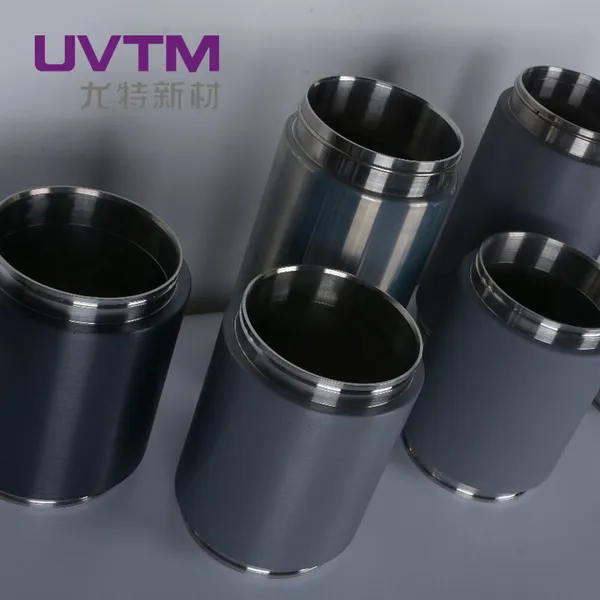 Read More
-
High-Purity Silver Sputtering Target (Ag Target) for PVD Coating — Planar & Rotatable, Custom Sizes
November 17, 2026Silver (Ag) has low resistivity — approximately 1.59 μΩ·cm at around 20 °C — and good infrared reflectance. It is used in Low-E gl Read More
-
Battery Coating Targets for Energy Storage and EV Battery Applications
November 12, 2026Battery coating targets support thin-film deposition for composite current collectors, solid-state battery interfaces and other en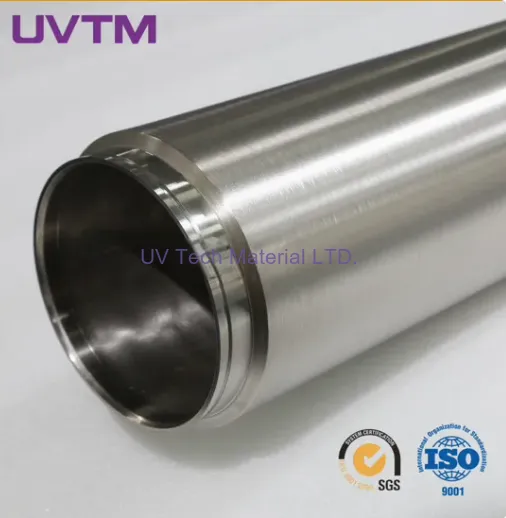 Read More
-
How to Choose a Flat Panel Display Sputtering Target Supplier
November 9, 20261. Check Material CapabilitiesDisplay manufacturing uses transparent conductive oxides (TCOs), oxide semiconductors and metal or a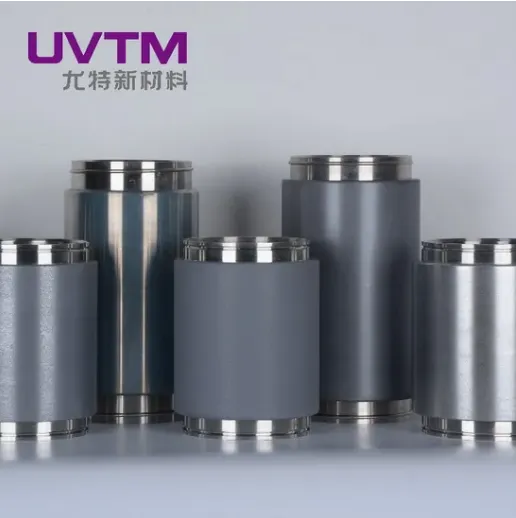 Read More

Contact Us
Recommended Products
-
 Rotatable AG Target High Quality Sputtering TargetNegotiableMOQ: 1 Piece
-
Rotatable AZO Target High Quality Sputtering TargetNegotiableMOQ: 1 Piece
-
Manganese Cobalt Alloy Target, High Purity Manganese Cobalt Alloy Target for PVD Coating, Manganese Cobalt Sputtering TargetNegotiableMOQ: 1 Piece
-
Rotatable Tial Alloy Target, Magnetron Sputtering Target, Titanium Aluminum Alloy Tial Sputtering Target for Decoration CoatingNegotiableMOQ: 1 Piece
-
Chromium Target, Rotary Cr Target High Purity Chrome Tube, Chromium Tube Target for Vacuum DepositionNegotiableMOQ: 1 Piece
-
Rotary Nb2o5 TargetNegotiableMOQ: 1 Piece
-
Indium Oxide Trioxide In2o3 Powder 99.99%, High Purity Indium Trioxide Powder, In2o3 Indium Oxide Powder PriceNegotiableMOQ: 50 Kilograms
-
Nb Niobium Target for Thin Film Solar Industry Low-Emissivity Glass IndustryNegotiableMOQ: 1 Piece
-
99.99% High Purity Alsi Rotatable Alloy Target Aluminum Silicon Sputtering TargetNegotiableMOQ: 1 Piece
-
5n Indium Bonding Si Target With Cooper Backing PlateNegotiableMOQ: 1 Piece
-
Heterojunction ITO Target, High Purity ITO Sputtering Target for Heterojunction, 97: 3 Hjt ITO TargetNegotiableMOQ: 1 Piece
-
PVD Coating Ti Sputtering TargetNegotiableMOQ: 1 Piece
-
90: 10 Rotatable ITO Target High Purity Sputtering TargetNegotiableMOQ: 1 Piece
-
Rotary Indium Target in Sputtering TargetNegotiableMOQ: 1 Piece
-
99.99% High Purity Metal AG Silver Sputtering Target With Good Price, Planar AG Silver TargetNegotiableMOQ: 1 Piece
-
Rotatable Znal Alloy Target, Magnetron Sputtering TargetNegotiableMOQ: 1 Piece
-
Rotary Cu Target for Glass Vacuum PVD Coating Material.NegotiableMOQ: 1 Piece
-
Poly Mono Bonding Silicon Si Target Sputtering Target 5n 6n With Competitive PriceNegotiableMOQ: 1 Piece
-
High Quality Nickel Iron Alloy Target, Plasma Sputtering Target, Nifemo Alloy TagetNegotiableMOQ: 1 Piece
-
Blanco De Cromo PARA Revestimientos PVDNegotiableMOQ: 1 Piece