 Business License

NiCr Sputtering Targets: Manufacturing Processes and Applications of Rotary and Planar Targets
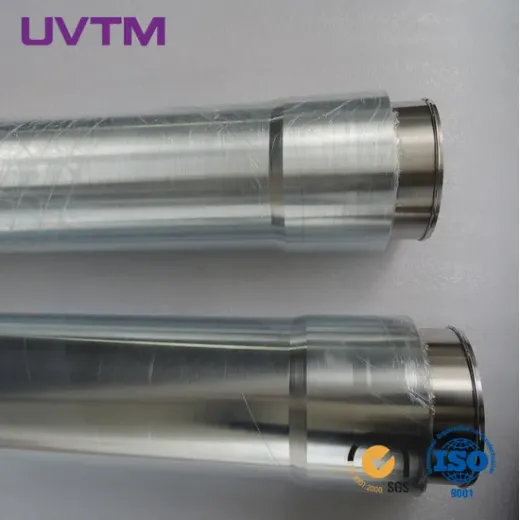
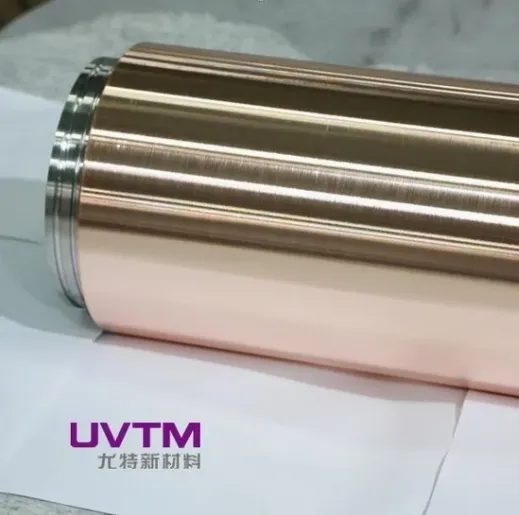
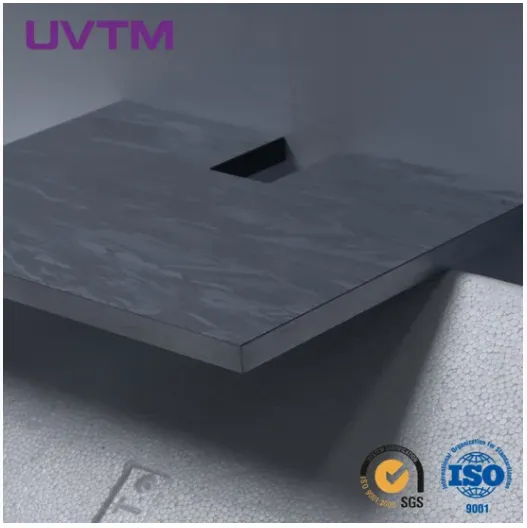
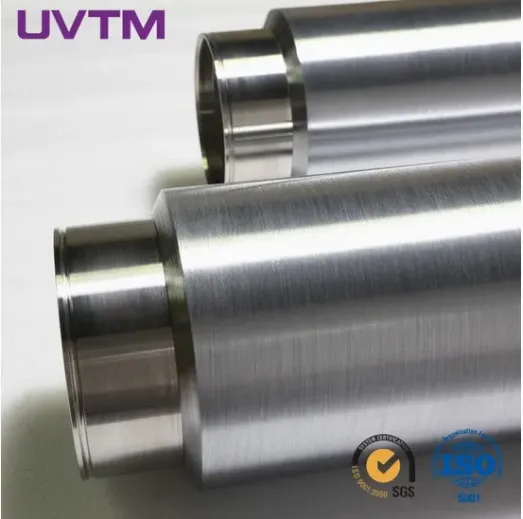
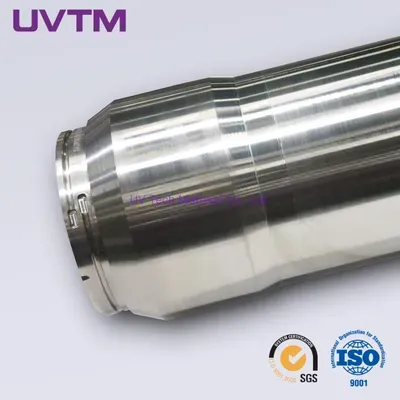
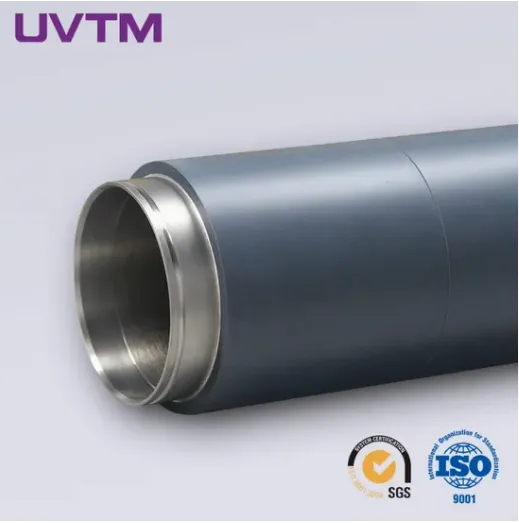
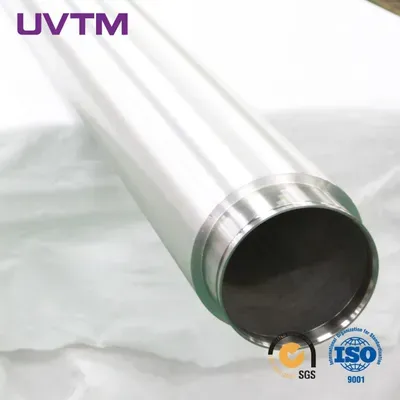
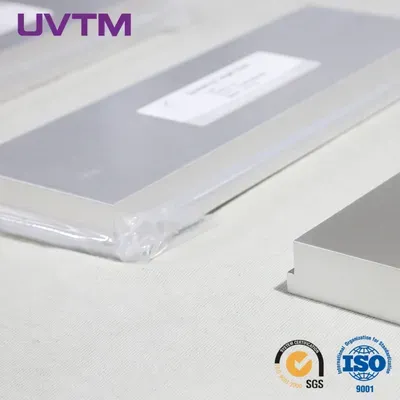
Nickel-chromium (NiCr) targets are a common family of alloy sputtering targets, widely used in magnetron sputtering coating applications such as decorative coating (e.g., watch cases and sanitary hardware), barrier layers in low-emissivity (Low-E) glass, and thin-film resistors. Depending on the sputtering equipment configuration and production process requirements, NiCr targets can be supplied in rotary or planar form, providing material options for different coating production lines.
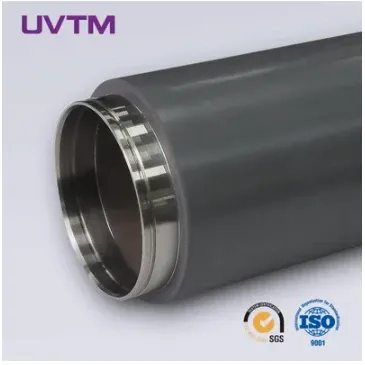
The manufacturing quality of NiCr alloy targets is closely related to raw material control, alloy preparation, forming and machining, and quality inspection. In production, a suitable manufacturing route can be selected according to material characteristics and product structure. Common routes include melting and casting (e.g., vacuum induction melting), powder metallurgy, and thermal spraying. Thermal spraying is mainly used for rotary target production, where the alloy material is sprayed onto a stainless steel backing tube; rotary target tubes can also be formed by centrifugal casting or powder metallurgy processes (such as hot isostatic pressing, HIP). Different processes are suitable for different material systems and product structures, and the specific solution should be determined according to actual production conditions.
During target machining, material composition control, product structure, geometric dimensions, and machining quality are key aspects to monitor. For alloy sputtering targets, compositional uniformity and batch-to-batch stability affect the subsequent coating process; therefore, quality control should be carried out in line with production processes and inspection requirements.
The choice between NiCr rotary and planar targets typically depends on the sputtering equipment configuration, mounting method, production process, and application requirements. When selecting targets, customers are encouraged to provide equipment drawings, product structure, and process requirements so that the target form, machining solution, and technical requirements can be evaluated. Composition, purity, and dimensional specifications can be customized according to actual requirements, and solutions for special materials and structures can also be assessed based on actual manufacturing capabilities.
In terms of quality management, target manufacturers can establish batch records covering raw materials, production, and finished-product inspection, and provide corresponding quality documents according to product requirements. Specific inspection items, technical specifications, and acceptance criteria are subject to the technical documents and contract terms confirmed by both parties.
In addition to NiCr targets, sputtering targets also include high-purity metal targets, other alloy targets, and ceramic targets. Different material systems differ in manufacturing processes, service conditions, and thin-film performance; the actual selection should be evaluated comprehensively based on the coating equipment, film design, and application requirements.
As coating applications continue to expand, increasing attention is being paid to the manufacturing quality, batch consistency, and custom machining capabilities of target products. Selecting NiCr targets matched to the equipment and process, together with sound production and quality inspection management, helps improve the stability of coating production.
About UVTM
UVTM (UV Tech Material LTD.), located in the Overseas Chinese Science and Technology Industrial Park, Huashan Town, Huadu District, Guangzhou, is a company specializing in the R&D and manufacturing of PVD sputtering targets. Its product portfolio covers high-purity metal targets, alloy targets, and ceramic targets, available in both rotary and planar forms, with customized machining available according to customers' equipment configurations and process requirements. Based on manufacturing routes such as vacuum induction melting and powder metallurgy, together with batch quality management, UVTM is committed to providing sputtering targets with stable composition and batch-to-batch consistency for coating production lines. For target selection and customization solutions, including NiCr targets and other products, please feel free to contact us.
Recently Posted
-
Niobium Oxide (Nb₂O₅) Sputtering Targets: Material Properties and Applications in Optical Coatings
November 19, 2026Low-emissivity (Low-E) architectural glass typically uses a multilayer coating structure. Silver provides the primary infrared ref Read More
-
High-Purity Silver Sputtering Target (Ag Target) for PVD Coating — Planar & Rotatable, Custom Sizes
November 17, 2026Silver (Ag) has low resistivity — approximately 1.59 μΩ·cm at around 20 °C — and good infrared reflectance. It is used in Low-E gl Read More
-
Niobium vs. Niobium Pentoxide Targets: Where the Metal Route and the Ceramic Route Split
November 14, 2026Niobium (Nb) targets and niobium pentoxide (Nb2O5) targets land on the same RFQ often enough that buyers start treating them as on Read More
-
Battery Coating Targets for Energy Storage and EV Battery Applications
November 12, 2026Battery coating targets support thin-film deposition for composite current collectors, solid-state battery interfaces and other en Read More

Contact Us
Recommended Products
-
 Rotatable AG Target High Quality Sputtering TargetNegotiableMOQ: 1 Piece
-
Rotatable AZO Target High Quality Sputtering TargetNegotiableMOQ: 1 Piece
-
Manganese Cobalt Alloy Target, High Purity Manganese Cobalt Alloy Target for PVD Coating, Manganese Cobalt Sputtering TargetNegotiableMOQ: 1 Piece
-
Rotatable Tial Alloy Target, Magnetron Sputtering Target, Titanium Aluminum Alloy Tial Sputtering Target for Decoration CoatingNegotiableMOQ: 1 Piece
-
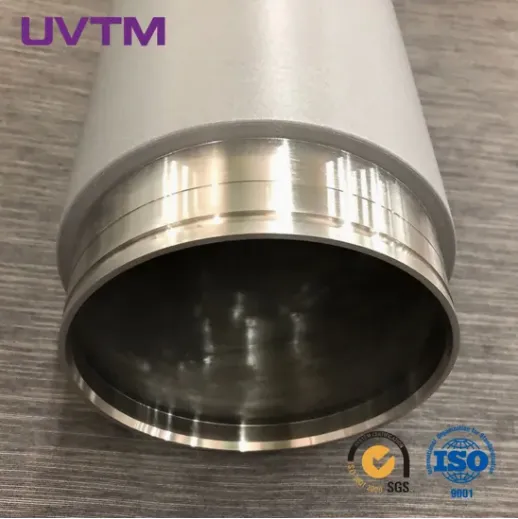
Chromium Target, Rotary Cr Target High Purity Chrome Tube, Chromium Tube Target for Vacuum DepositionNegotiableMOQ: 1 Piece
-
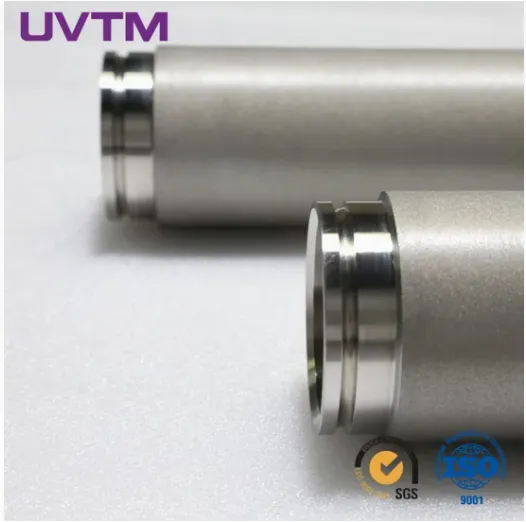
Rotary Nb2o5 TargetNegotiableMOQ: 1 Piece
-
Indium Oxide Trioxide In2o3 Powder 99.99%, High Purity Indium Trioxide Powder, In2o3 Indium Oxide Powder PriceNegotiableMOQ: 50 Kilograms
-
Nb Niobium Target for Thin Film Solar Industry Low-Emissivity Glass IndustryNegotiableMOQ: 1 Piece
-
99.99% High Purity Alsi Rotatable Alloy Target Aluminum Silicon Sputtering TargetNegotiableMOQ: 1 Piece
-
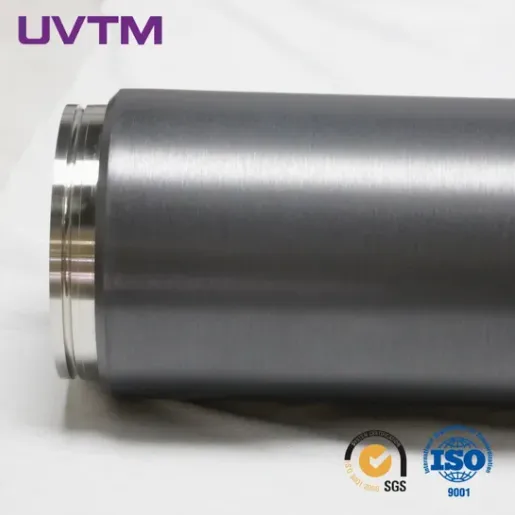
5n Indium Bonding Si Target With Cooper Backing PlateNegotiableMOQ: 1 Piece
-
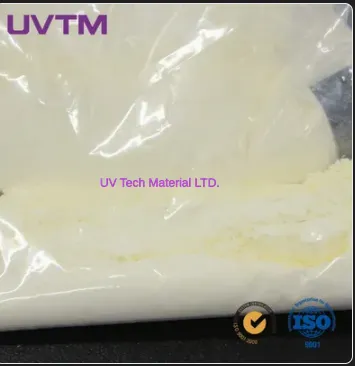
Heterojunction ITO Target, High Purity ITO Sputtering Target for Heterojunction, 97: 3 Hjt ITO TargetNegotiableMOQ: 1 Piece
-
PVD Coating Ti Sputtering TargetNegotiableMOQ: 1 Piece
-
90: 10 Rotatable ITO Target High Purity Sputtering TargetNegotiableMOQ: 1 Piece
-
Rotary Indium Target in Sputtering TargetNegotiableMOQ: 1 Piece
-
99.99% High Purity Metal AG Silver Sputtering Target With Good Price, Planar AG Silver TargetNegotiableMOQ: 1 Piece
-
Rotatable Znal Alloy Target, Magnetron Sputtering TargetNegotiableMOQ: 1 Piece
-
Rotary Cu Target for Glass Vacuum PVD Coating Material.NegotiableMOQ: 1 Piece
-
Poly Mono Bonding Silicon Si Target Sputtering Target 5n 6n With Competitive PriceNegotiableMOQ: 1 Piece
-
High Quality Nickel Iron Alloy Target, Plasma Sputtering Target, Nifemo Alloy TagetNegotiableMOQ: 1 Piece
-
Blanco De Cromo PARA Revestimientos PVDNegotiableMOQ: 1 Piece